Jorge Salas
Venezuelan, b. 1954
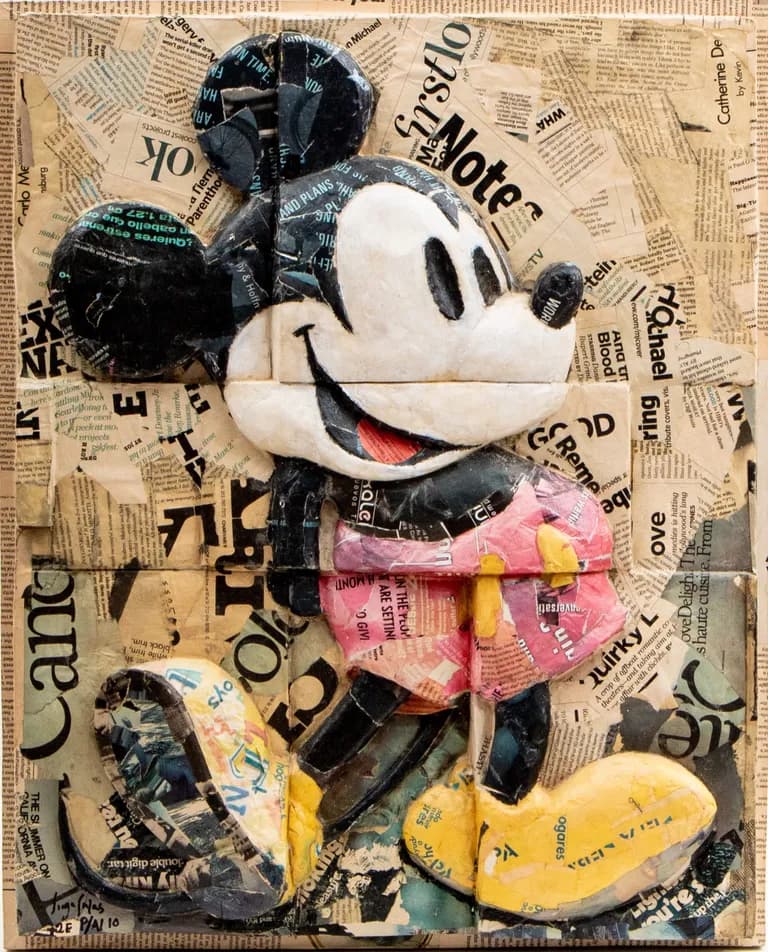
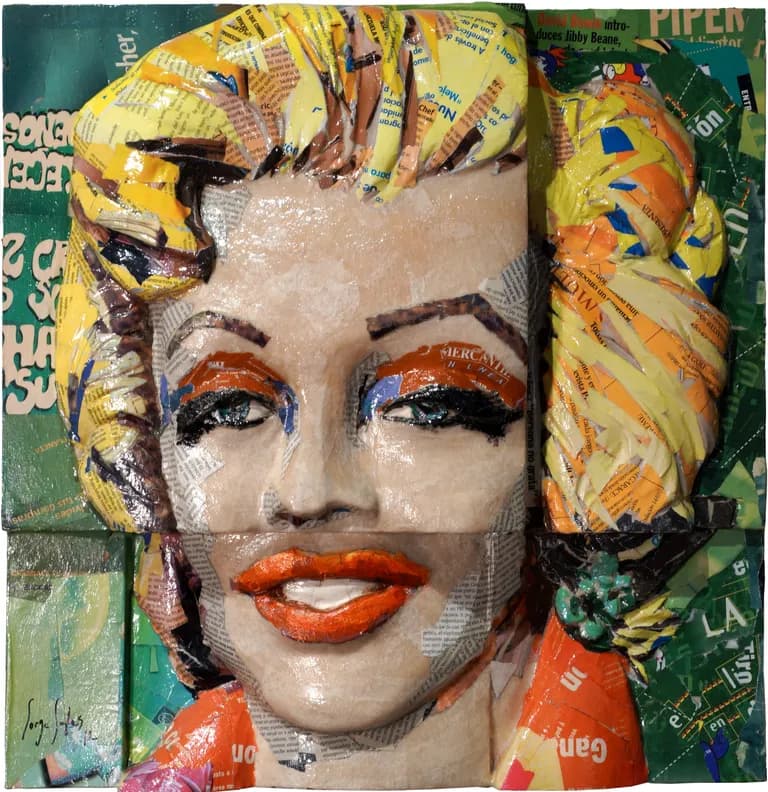
In 1973, he entered the School of Architecture at the Central University of Venezuela (UCV) while studying painting with Professor Ángel Boscán. He left the UCV to attend the Cristóbal Rojas School of Plastic Arts in Caracas, where he took courses in painting and sculpture. In the late seventies he made his first exhibitions, which sowed great expectations of his work as a sculptor. He was part of avant-garde group “El Búho que masca chimó”, with three other sculptors. From that time his work was characterized by paying attention to the treatment of the surface to achieve reliefs that were made by assembly and construction. In 1995 he did internships at the Marble Laboratory of Pietra Santa, Italy.
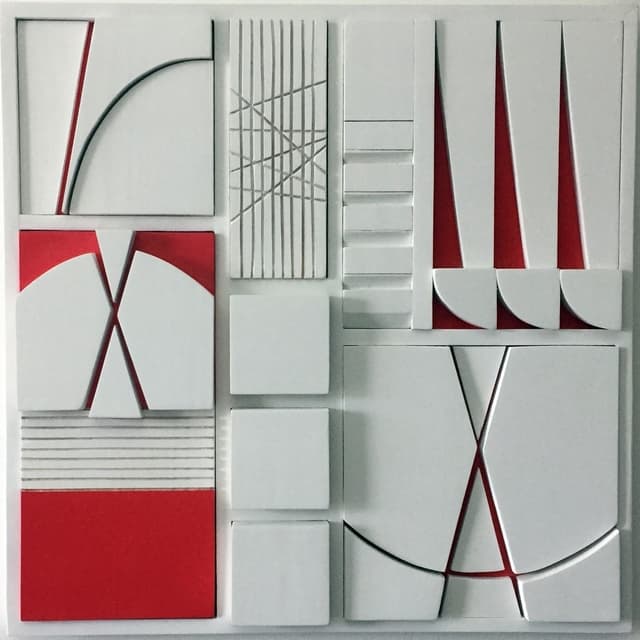
He has worked around two trends, the abstract constructivist, generally larger, is a result from the construction of segments that are juxtaposed by alternating wood and stone to form a visual unit. The second is the abstract work, wich arises forming a material unit, a volume of marble on which he writes and constructs from geometries and textures resulting in multiple readings as a kind of document in stone.
Among other recognitions, he received the Vicson Prize and the University of Carabobo Prize at the Arturo Michelena Salon in Valencia, 1977 and 1981, as well as the Francisco Narváez National Prize. His work is part of important public and private collections, including the Museum of Latin American Art of Los Angeles, (MOOLA), The Andean Development Corporation (CAF) and The Museum of Contemporary Art of Caracas. On an urban scale, his pieces are located in El Paseo Vargas in Caracas, the Mario Abreu Museum in Maracay and the Luisa Cáceres de Arismendi de Margarita Road Museum.
Artist statement
Jorge Salas is a prominent Venezuelan postwar and contemporary sculptor born in La Grita, Táchira, in 1954. Best known for his abstract constructivist style, Salas builds intricate three-dimensional works that explore spatial relationships, texture, and geometric balance. His practice relies heavily on combining contrasting natural materials—primarily wood, stone, marble, and travertine.